How To Respond to Property Destruction
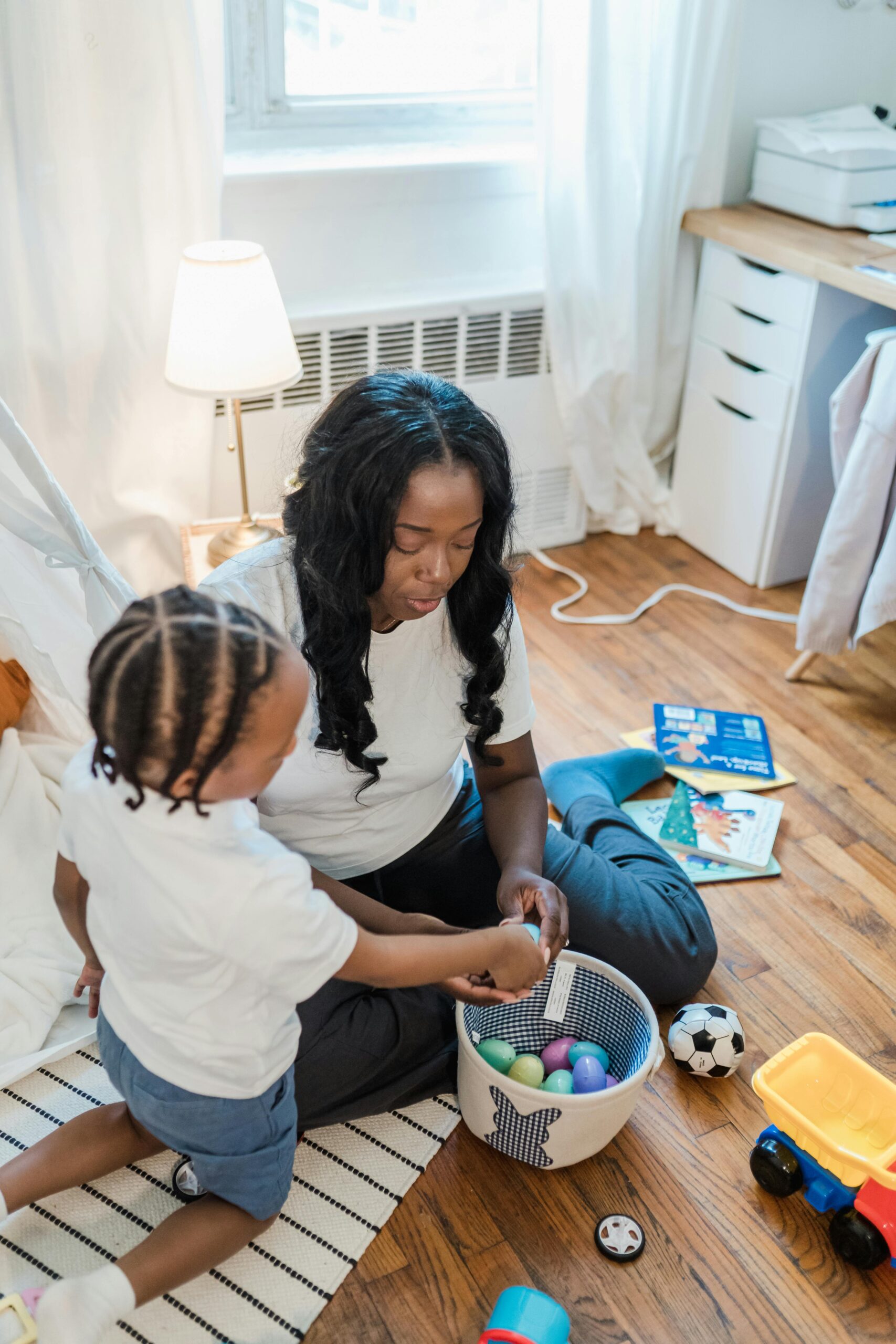
If your child throws, smashes, rips, kicks, or damages things when upset, the most useful first step is usually not a bigger lecture or a harsher reaction. It is to make the moment safer, say less, and then look for the pattern around the behaviour so you can teach a safer way through it. Parent-focused psychosocial support is one of the better-supported approaches for repeated disruptive behaviour, and NICE recommends parent training programmes for many children with severe or repeated behaviour problems rather than routine medication-first management.
Quick summary
- In the moment, think safety first, fewer words, no power struggle.
- Property destruction usually keeps happening because it changes something important for your child in that moment, such as attention, access, escape from a demand, or sensory input.
- The most useful clues are usually: what happened just before, the earliest signs, and what changed after.
- Real progress usually comes from changing the setup, teaching a replacement response, and reinforcing the safer response earlier.
- You do not need to solve every behaviour at once. Start with one repeated destruction pattern first.
Need a clearer starting point?
If property destruction is repeating at home, a free 25-minute Behaviour Clarity Session can help you organise one difficult situation, identify the first useful question to explore, and clarify a sensible next step.
For parents, focused on one behaviour in one home routine. No preparation or expectation to buy further support. Book with your name and email; we’ll guide you through consent and brief checks at the start of the call. Session information · Privacy.
First: what to do right now when something is being thrown or smashed
When property destruction is happening, try to work through this order:
1. Make the area safer
Move siblings and other people back if needed. If you safely can, move sharp, heavy, breakable, or valuable items out of reach. You are not trying to “win” the moment. You are trying to lower risk.
2. Say less
Long explanations usually make an escalated moment harder, not easier. Use one short line, then repeat it if needed.
It is very understandable to want to correct, reassure, or make things better straight away. I have seen well-meant attempts to console add pressure when someone is already very distressed and cannot take in much language. In some moments, calm space — with safety in place and an adult nearby — is more helpful than another explanation. This is not withdrawing support; it is matching your response to what your child can manage at that point.
Examples:
- “I’m moving this to keep things safe.”
- “We’ll talk when things are calmer.”
- “Safe hands.”
- “Let’s have a break first. Talk after.”
- “I’m not arguing.”
3. Do not turn it into a debate
Avoid asking, “Why did you do that?” in the hottest moment. Avoid moral lectures. Avoid trying to prove a point while your child is already overloaded or highly upset.
4. Block extra damage where you can
If the pattern is obvious, reduce access to the next thing likely to be thrown or broken. Sometimes the best response is very plain: remove the lamp, move the toy box, close the kitchen gate, step the sibling back, pause the demand.
5. Prompt one safer alternative
If your child can use words, signs, pictures, or a short script, prompt the smallest workable alternative:
- “Help.”
- “Break.”
- “Too hard.”
- “Stop.”
- “My turn.”
- “One more minute.”
That replacement-skill logic is important. Functional communication training is supported by a strong evidence base, and a 2025 meta-analysis found large effects on reducing challenging behaviour and moderate-to-large effects on increasing replacement behaviour.
6. Leave most of the teaching for later
Once the moment has peaked, your main goal is to get everyone through safely. The real teaching usually happens after.
Why property destruction keeps happening
Property destruction is often less random than it looks.
A more useful question than “How do I stop this one incident?” is:
What changes for your child when they do it?
Sometimes the answer is:
- the demand pauses
- someone rushes in
- access changes
- a sibling backs off
- your child gets distance from something that felt too hard, too fast, or too frustrating
That does not mean your child is “manipulative.” It means the behaviour is doing something in the moment. Functional analysis research continues to show that challenging behaviour is often linked to escape, attention, access to tangibles, or automatic reinforcement, not just to “bad attitude.”
This is why punishment-only plans often look stronger than they really are. If you do not change what is building the behaviour and what your child can do instead, the pattern often returns.
What the pattern often looks like in ordinary family life
Property destruction often shows up in predictable situations, such as:
- screen time ending
- homework starting
- being told no
- being asked to stop a preferred activity
- sibling conflict
- bedtime transitions
- getting ready to leave
- being corrected in public
- waiting when your child expected something immediately
The object that gets broken matters, but the pattern around it matters more.
What to look for before and after the behaviour
Try to notice these four things:
1. What happened just before?
Look for common triggers:
- a demand
- a transition
- blocked access
- waiting
- losing
- a sibling taking something
- tiredness
- hunger
- noise
- too much going on
2. What were the earliest signs?
Often the behaviour starts building before anything gets damaged:
- louder voice
- pacing
- grabbing
- arguing
- going rigid
- scanning the room
- moving toward fragile items
- knocking smaller things first
3. What changed straight after?
Ask:
- Did the demand stop?
- Did everyone rush in?
- Did your child get more space?
- Did the sibling back off?
- Did the conversation switch from the original issue to the damage itself?
4. What happened later?
Sometimes the biggest maintaining factor is not the first 10 seconds, but what happens afterward:
- the boundary softens
- your child gets extra access later
- everyone is so exhausted the plan disappears
- the evening becomes all about repair, soothing, or negotiation
Want help making sense of the pattern?
If it is hard to work out which clue matters most, a free 25-minute Behaviour Clarity Session can help you organise one repeated situation and identify a practical next step.
Three short examples
Example 1: “No more tablet”
The tablet ends. Your child throws the case across the room.
The useful clue may not be “they threw something.” It may be:
- stopping is hard
- the transition is abrupt
- your child has no good way to ask for a warning, a pause, or help stopping
- the throw reliably turns a simple ending into a long negotiation
Example 2: Homework starts
You bring out the worksheet. Your child tears the page and snaps the pencil.
The behaviour may be helping your child get away from work that feels too difficult, too unclear, or too effortful.
Example 3: Sibling conflict
A sibling takes a toy. Your child kicks over a basket and breaks something nearby.
The behaviour may be tied to blocked access, losing, attention, or very weak repair skills in moments of frustration.
Across all three, the key question is the same:
What safer behaviour could help your child do the same job without damage?
What to do in the next 24 hours
1. Choose one destruction pattern first
Not “all the behaviour in the house.”
Choose one:
- throws objects when told no
- smashes things during homework
- kicks doors at bedtime
- breaks sibling property during conflict
One clear pattern is easier to understand and easier to change.
2. Protect the environment during known flashpoints
Do not wait for insight to become perfect.
If evenings are the worst time:
- move fragile items before the transition
- limit access to throwable objects
- create a simpler space for the routine
- keep fewer valuables in the conflict zone
This is not “giving in.” It is sensible risk reduction while you work out the pattern.
3. Pick one likely trigger to target
Examples:
- being told to stop
- starting homework
- sibling taking turns
- bedtime handover
- leaving the house
Do not target five at once.
4. Decide your short script in advance
Choose one line now so you are not inventing it mid-escalation.
Examples:
- “Safe first. Talk after.”
- “Break, then tidy.”
- “You can say help.”
- “One minute, then finish.”
- “Hands down. I’ll help.”
5. Decide the replacement response you will prompt
Choose one that matches the likely need:
- “help”
- “break”
- “finished”
- “my turn”
- “one more minute”
- handing you a card or pointing to a visual
The goal is not perfect language. The goal is a response your child can actually use under pressure. FCT and related function-based approaches are built on exactly that principle.
6. Track the next two or three incidents
You do not need a perfect diary.
Just note:
- what happened before
- early signs
- what was damaged
- what changed after
- what you did
- what your child did next
That is enough to start seeing a pattern.
What to teach when your child is calm
The strongest longer-term support usually does not come from a stronger reaction after the damage. It comes from building a safer route through the same problem.
Depending on the pattern, that may mean teaching your child to:
- ask for help
- ask for a break
- tolerate a short wait
- hand something over
- accept a warning before stopping
- use a simple repair routine
- leave a sibling conflict with support
- swap from “throw” to “put it here” when frustrated
Parent-focused psychosocial interventions continue to show benefit for disruptive behaviour, and the 2025 AHRQ review found that parent-only and multicomponent psychosocial interventions outperformed usual care or waitlist on parent-reported disruptive behaviour for preschool and school-age children.
What to reinforce
Do not only notice the worst moment.
Look for the earlier, smaller win:
- your child paused
- your child used a word instead of throwing
- your child handed something over
- your child accepted help
- your child repaired one small part afterwards
- your child got through the transition with less damage than usual
That is how patterns begin to shift.
Common mistakes that often make property destruction worse
Trying to solve everything at once
If your child also screams, hits, refuses, and runs off, start with one clear pattern first.
Talking too much in the peak of escalation
Children rarely learn best from a long verbal explanation while highly upset.
Changing your plan every day
If one day is bargaining, the next is shouting, and the next is a consequence you do not follow through on, the pattern becomes harder to understand and harder to change.
Waiting until the worst moment to teach
Teaching works better when calm. In the hot moment, keep it brief.
Missing health or sleep factors
If property destruction is sudden, sharply worse, or feels out of character, it is worth considering pain, illness, sleep disruption, or other health changes too. A purely behavioural explanation is not always enough.
FAQ
Should I use a consequence when my child breaks things?
Sometimes a brief, proportionate repair step or loss of access may be part of the wider plan. But on its own, that is usually not enough. The bigger wins usually come from changing the setup, prompting the safer alternative earlier, and being more predictable about what happens next.
Should my child help tidy or repair what they damaged?
Usually yes, once they are calm enough and it is safe. Keep it brief and matter-of-fact. Aim for repair, not humiliation.
What if my child only does this at home?
That is common. Home often contains the exact routines, demands, sibling patterns, and recovery habits that keep the behaviour going.
Does this mean my child is doing it “for attention”?
Not always. Attention is only one possibility. Sometimes the behaviour is helping your child escape something difficult, get access to something, or cope with a sensory or emotional load.
Is medication the main answer for this?
Usually not as a first-line response for repeated behavioural problems. NICE says not to offer medication routinely for behavioural problems in children and young people with oppositional defiant disorder or conduct disorder; parent-focused psychosocial interventions are central.
A calmer next step
If this article sounds familiar, a free 25-minute Behaviour Clarity Session can help you organise one repeated situation and identify a practical next step.
References
Adedipe, D. T., & Walton, K. M. (2025). Telehealth parent training for challenging behavior in children with developmental disabilities: A systematic review and meta-analysis. Review Journal of Autism and Developmental Disorders.

Blair, K.-S. C., Park, E.-Y., & Risse, M. R. (2025). A meta-analysis of functional communication training for young children with ASD and challenging behavior in natural settings. Behavioral Sciences.

National Institute for Health and Care Excellence. (2013, updated 2017/2025 review status). Antisocial behaviour and conduct disorders in children and young people: Recognition and management (CG158).

Selph, S. S., Skelly, A. C., Dana, T., et al. (2025). Psychosocial and pharmacologic interventions for disruptive behavior in children and adolescents: A systematic review. Agency for Healthcare Research and Quality.

Suchowierska-Stephany, M., et al. (2024). Functional analysis: What have we learned in 85 years?