Behaviour-first guidance for challenging behaviour at home
Explore practical articles to help you understand behaviour patterns more clearly at home.
Talk through one behaviour with Sim
A free 25-minute online Behaviour Clarity Session about one behaviour in one home routine. No preparation and no expectation to buy further support.
Book with your name and email. We’ll guide you through consent and brief checks at the start of the call.
Not a diagnosis, full assessment or emergency service. Seek urgent local help for immediate danger or urgent health or safeguarding concerns. Session information · Privacy Notice.
-

Why Children Scream or Shout
Read More: Why Children Scream or ShoutChildren scream or shout for different reasons. This article explains what screaming may mean, what it may change, and how parents can start spotting the…
-

How To Stop a Child Hitting Their Brother or Sister
Read More: How To Stop a Child Hitting Their Brother or SisterIf your child keeps hitting their brother or sister, this practical guide shows how to choose one repeated flashpoint, create space, protect the child being…
-

Child Hitting at Home: Why It Keeps Happening
Read More: Child Hitting at Home: Why It Keeps HappeningUnderstand why child hitting keeps happening at home, what it may be changing for your child, and what to do first to respond safely and…
-
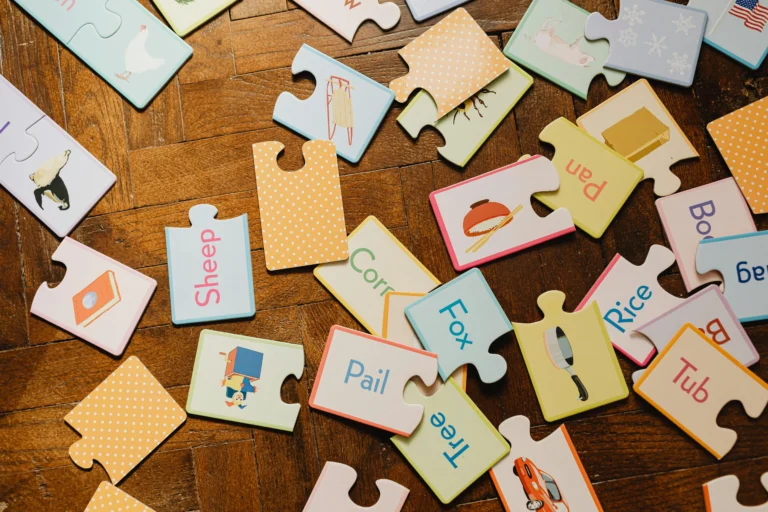
Why Children Destroy Toys
Read More: Why Children Destroy ToysUnderstand why your child destroys toys, what patterns to look for, what to do in the moment, and how to teach safer replacement skills.
-
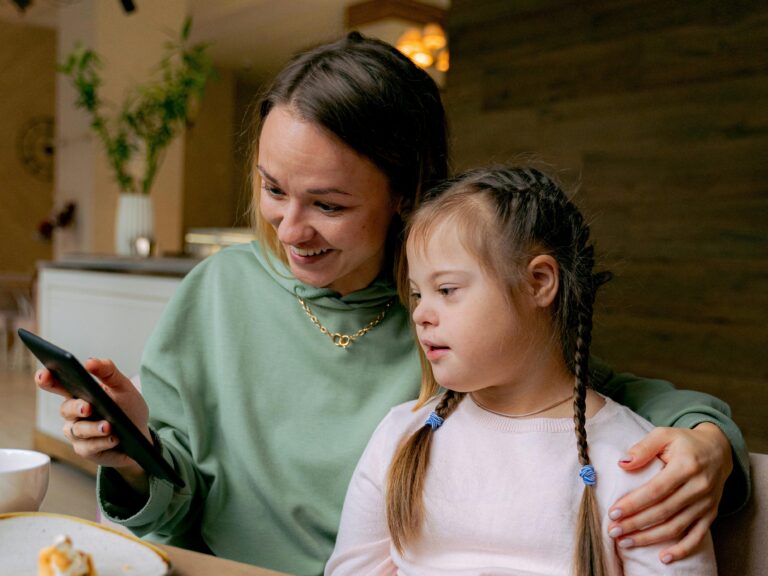
How a Functional Behaviour Assessment (FBA) Works: A Parent-Friendly Guide
Read More: How a Functional Behaviour Assessment (FBA) Works: A Parent-Friendly GuideLearn what an FBA is, why behaviour happens, and how to support your child with clear, simple observations. A calm, parent-friendly guide to Functional Behaviour…
-
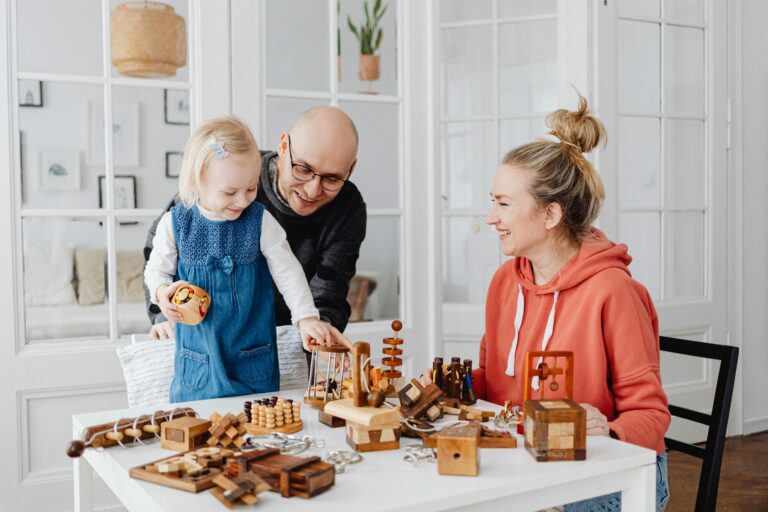
What Eric Emerson’s Definition of “Challenging Behaviour” Actually Means
Read More: What Eric Emerson’s Definition of “Challenging Behaviour” Actually MeansDiscover how Eric Emerson shaped the modern term “challenging behaviour,” shifting the focus from blame to understanding, dignity, and meaningful support.
-

NICE Guidelines on Challenging Behaviour: What Practitioners Need to Know
Read More: NICE Guidelines on Challenging Behaviour: What Practitioners Need to KnowA clear, evidence-based overview of the NICE guidelines on challenging behaviour, and what practitioners need to know for safe, values-based support.
-
PBS Training: Building a Skilled and Confident Workforce
Read More: PBS Training: Building a Skilled and Confident WorkforceDiscover how PBS training builds confident, skilled staff through values-based practice, coaching, and the PBS Competence Framework.
-

Behaviour Is Communication: Understanding the Message Behind the Behaviour
Read More: Behaviour Is Communication: Understanding the Message Behind the BehaviourBehaviour is communication. Learn to understand what your child’s behaviour is saying and respond calmly using behavioural science.
-
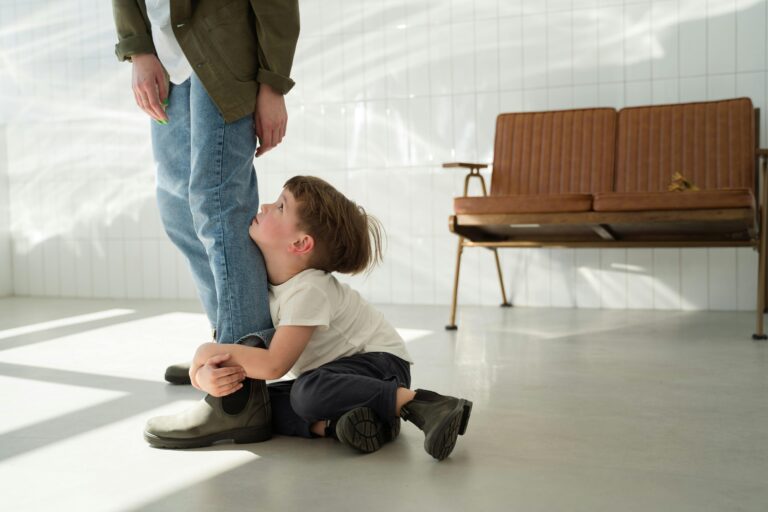
How to Deal with Challenging Behaviour in Children — Without Losing Your Cool
Read More: How to Deal with Challenging Behaviour in Children — Without Losing Your CoolLearn calm, evidence-based ways to handle challenging behaviour in children using PBS and ABA principles—without losing your cool.
-

A Clear EHCP Plan Example — and How to Use It to Advocate for Your Child
Read More: A Clear EHCP Plan Example — and How to Use It to Advocate for Your ChildSee what a clear EHCP plan example looks like, learn how to spot strengths and gaps, and gain confidence to advocate for your child —…
-

How to Add Behaviour Support to Your EHCP
Read More: How to Add Behaviour Support to Your EHCPLearn how to add behaviour support to your child’s EHCP. A UK-friendly, evidence-based guide for parents seeking Positive Behaviour Support and ethical, practical help.